Farm Sales, Farm Restructuring and Succession Planning

Farm Sales
In simple terms, farm sales involve the legal aspects of buying or selling a farm. This includes drafting and reviewing sale contracts, easements, ensuring compliance with relevant regulations and addressing any legal complexities that sometimes arise during the transaction. It quite often involves forestry rights/carbon credits, water rights/easements and transfer of stock, plant and equipment depending on the agreement made.

Farm Restructuring
Farm restructuring involves making changes to the organisational or ownership structure of a farm. It could include partnerships, joint ventures, trust deeds and companies or put simply a change to the business structure. From a legal perspective, we play a vital role in facilitating those changes while ensuring legal compliance and protecting the interests of the parties involved.
Farm Succession Planning
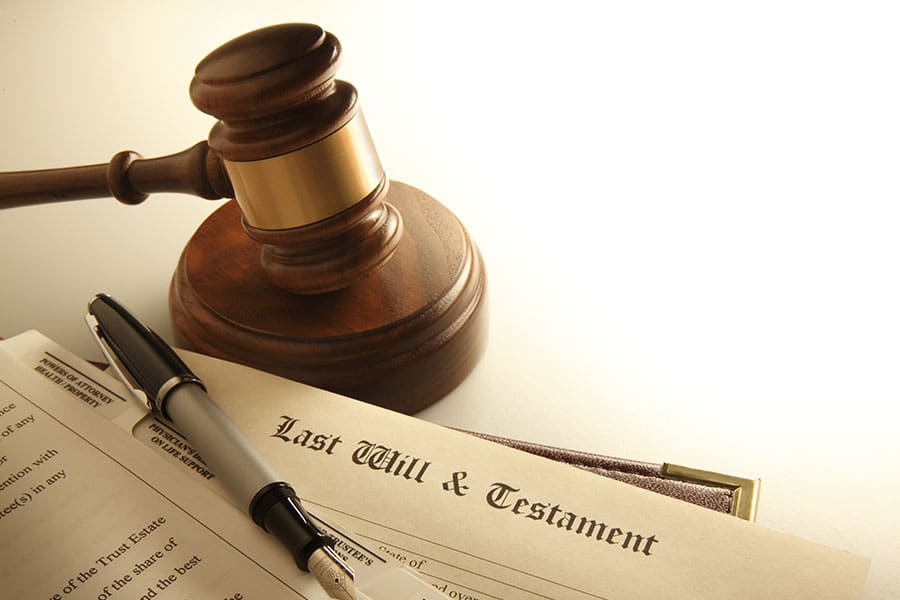
Succession planning is about ensuring a smooth transition of the farm to the next generation. From a legal standpoint, this could involve drafting wills, trust deeds, relationship property agreements and any other legal documents to secure the orderly transfer of assets and management responsibilities from one generation to the next. Quite often it will also involve providing for the other children who are not farmers and taking over the family farm.

Meet YOUR Team
Frequently asked questions
General Questions
What happens if someone dies without making a Will?
The law under the Administration Act applies in different ways depending on whether you are survived by a spouse or partner, have children or your parents are still alive.
The people you care about most may not be provided for under the Administration Act. It can also cost significantly more in legal fees to resolve matters causing stress for your loved ones during their time of grief.
When should I update my Will?
As a guide it is recommended by us that you consult your lawyer regarding your Will every 5 years to ensure all is in order.
What makes a Will valid?
What happens if I die without enough money to cover all my debts?
Family members are not responsible for the debts of the deceased that were in their sole name. This includes credit cards and loans. Although family members are not personally responsible, the debts must be paid first which may involve selling estate assets (such as vehicles, property or household items) in order to pay the debts.
